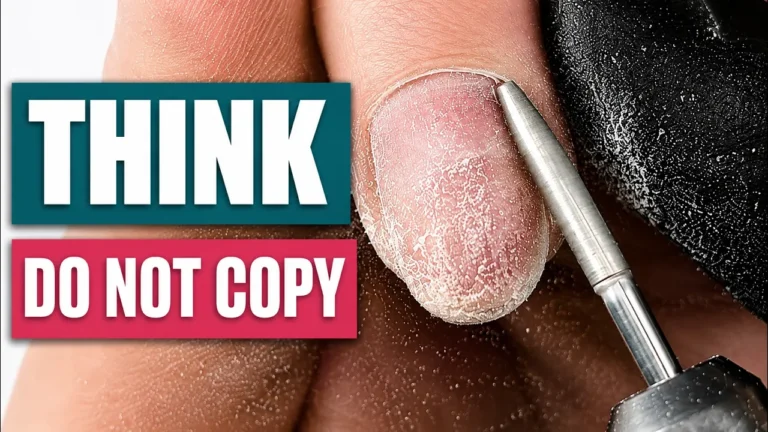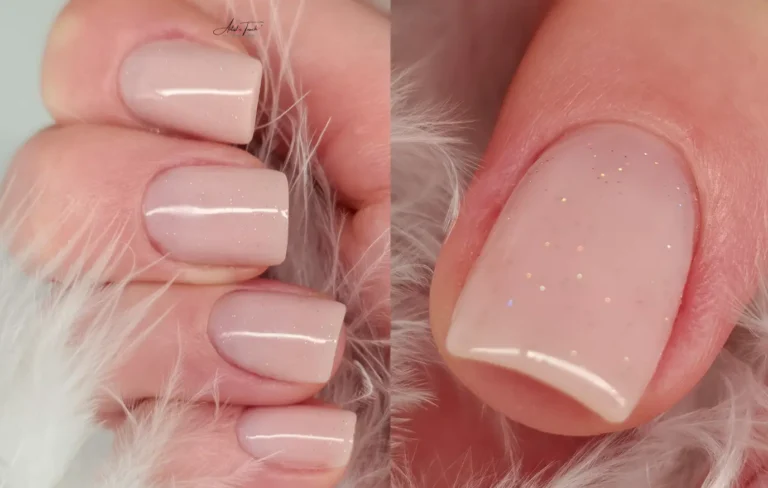
Why a Perfect-Looking Russian Manicure Can Still Be Done Wrong
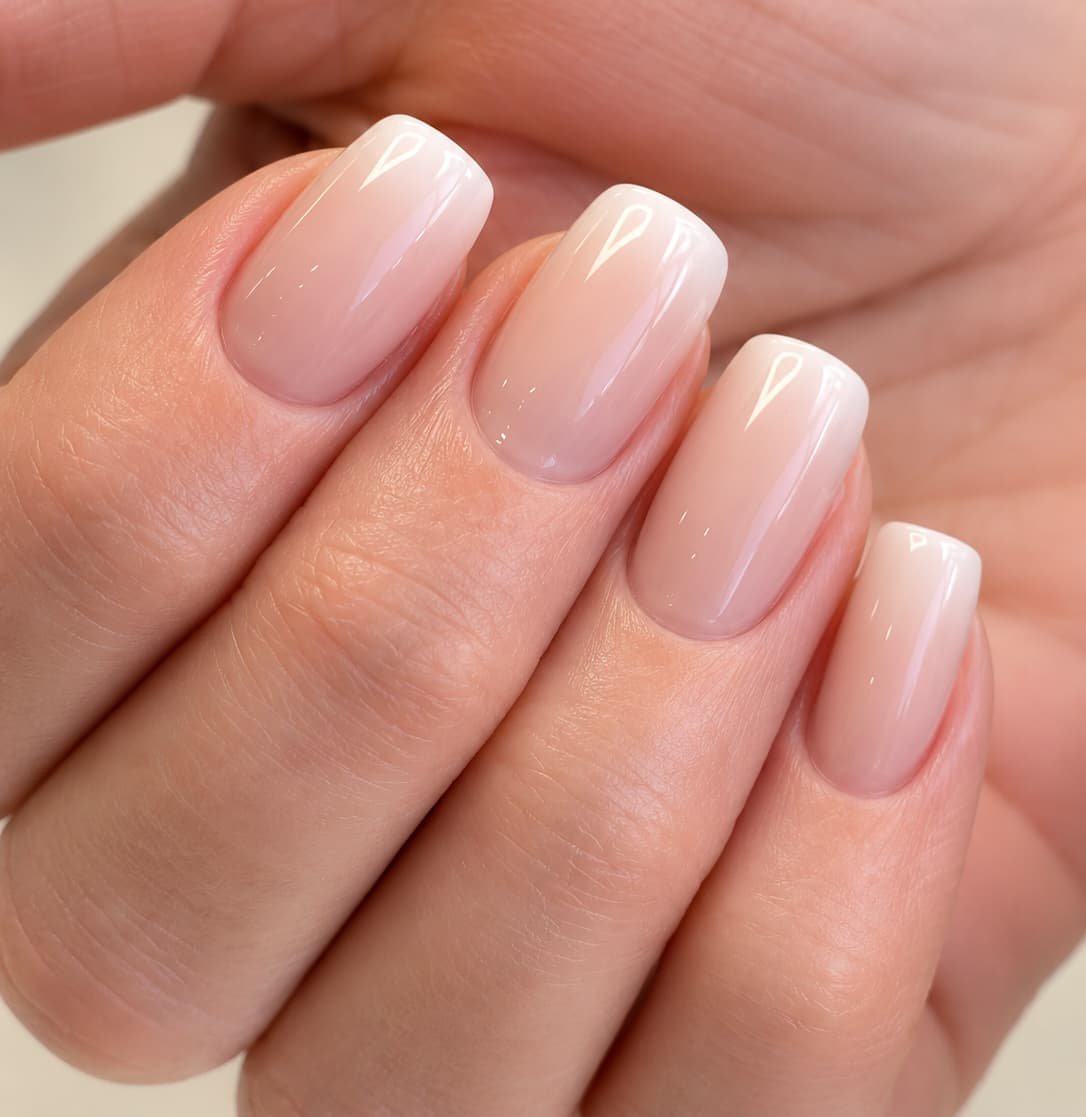
A clean photograph does not confirm that a Russian Manicure was performed with appropriate control. The image shows the immediate surface result. It does not show the pressure applied, the angle of the tool, the number of passes over the same area, or how the surrounding living tissue responded during the service.
A nail technician can produce a visually clean result whilst still overworking tissue, applying unnecessary pressure, or continuing to refine skin long after the true cuticle has already been removed. Appearance and technique are related, but they are not the same measurement.
The Problem With Judging Russian Manicure From Photographs
Photographs and short videos have become the primary way many nail technicians evaluate Russian Manicure technique, both their own and others’. A single still image is used as evidence that a method works. If the nail looks smooth, pale, and free of visible cuticle, the assumption is that the technique used to achieve it must have been correct.
This assumption overlooks a significant amount of information. A photograph captures a single moment after the service has finished. It cannot show what happened during the thirty or forty minutes beforehand.
What a Photograph Cannot Show
Several factors that directly affect client safety and long-term nail health are entirely invisible in a still image:
Pressure. A technician may achieve a clean result through careful, controlled pressure, or through repeated firm pressure that stresses the tissue. Both can produce a similar final appearance.
Tool angle. The angle at which a bit meets the nail plate and surrounding skin determines how much friction and heat are generated, and how much tissue is affected. A poor angle used skilfully can still look acceptable in a photograph.
Number of passes. A technician who passes over the same section of skin multiple times, refining it repeatedly, may produce a result that looks identical to a technician who worked efficiently and stopped once the true cuticle was removed.
Tissue response. Redness, sensitivity, or minor trauma may fade within minutes and will not appear in a photograph taken shortly afterwards, even though the tissue experienced unnecessary stress during the service.
Clean Appearance Versus Controlled Technique
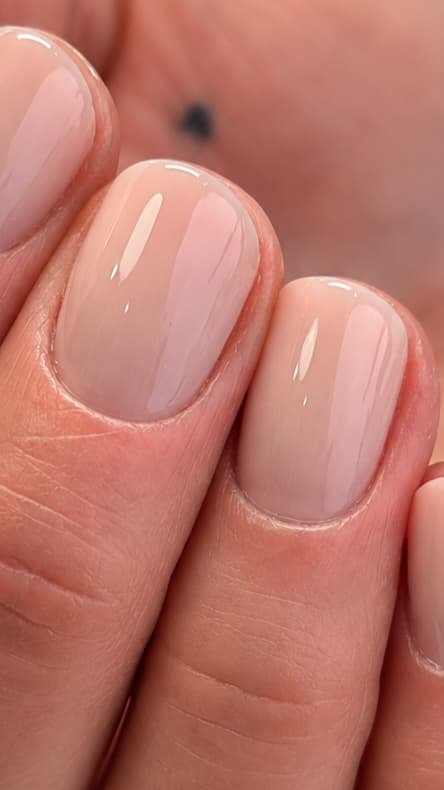
Clean appearance and controlled technique often occur together, but one does not guarantee the other. A technician with strong control over speed, pressure, and tool selection will typically produce a clean result. However, a technician without full control can sometimes also produce a clean-looking result, particularly on a client whose anatomy is forgiving or whose skin recovers quickly.
This is why appearance alone is an unreliable measure of technique. Two technicians can produce comparable photographs while working in very different ways, one adapting carefully to the client’s tissue, the other repeating the same movements regardless of what the anatomy required.
The Core Distinction
The objective of Russian Manicure is not to remove the greatest possible amount of visible skin. The objective is to remove true cuticle appropriately and leave the surrounding living tissue undamaged. These are related goals, but they are not identical.
A clean result on the day still depends on what happened before the photograph was taken. Russian Manicure – Beyond Technique looks at what that involves.
True Cuticle and Living Tissue Are Not the Same
True cuticle is non-living tissue that grows from the matrix onto the nail plate. This is the material that Russian Manicure is designed to remove. The eponychium and the proximal nail fold, by contrast, are living skin. During the service, this living tissue is gently lifted and opened to allow access, but it is not the material being removed.
When a technician does not clearly distinguish between these two tissue types, the risk is that work continues past the point where true cuticle has been cleared. At that stage, further refinement is no longer cuticle removal. It becomes unnecessary treatment of living skin or, in some cases, filing of the nail plate itself.
A clean, pale appearance can still be achieved even when this distinction has been respected. The difference lies in whether the technician stopped at the appropriate point or continued because the surface still appeared capable of further refinement.
Why Repeated Polishing Can Become Unnecessary
Polishing bits are frequently used at the end of a Russian Manicure to smooth the surrounding skin. Used appropriately, this step refines the finish. Used without a clear stopping point, it can extend well beyond what the tissue requires.
A polishing bit should not be treated as permission to continue simply because more material can technically still be removed. The presence of a tool capable of further refinement does not mean that further refinement is necessary or beneficial. Some tissue will always yield slightly more if worked on longer. That does not mean it should be.
Repeated polishing over the same area increases friction and the likelihood of sensitivity, even when the immediate result still looks acceptable. The decision to stop should be based on the condition of the tissue, not on how much more the surface could theoretically be refined.
What an Advanced Technician Assesses Before Continuing
An experienced technician working with awareness of anatomy asks a different set of questions during the service than one working from memorised movements alone. Before continuing with any tool, useful questions include:
Has the true cuticle already been cleared in this area? If so, continuing serves no purpose beyond further tissue refinement that was not required.
Is the tissue responding with redness or sensitivity? This is feedback from the client’s anatomy, not a signal to increase pressure or repeat the movement.
Does this particular client’s pocket and fold anatomy allow for this level of work? Not every client’s anatomy permits the same depth of access, and forcing consistency across different anatomies increases the likelihood of unnecessary tissue involvement.
Is the tool being used for a defined purpose, or out of habit? Scissors and nippers, and polishing bits should each be selected because they are needed for a specific task, not used automatically as part of a fixed sequence.
These questions require the technician to observe and interpret, rather than simply execute a memorised routine. This distinction, between following steps and making informed decisions, is central to understanding why a clean result does not automatically confirm appropriate technique.
Are You Following a Routine or Assessing the Client?
Russian Manicure – Beyond Technique is built for technicians who want to understand what they are seeing, why common problems occur, and when the technique needs to be adapted rather than repeated.
View the Course Curriculum →Developing This Judgement
Recognising the difference between appearance and control is a skill that develops through understanding anatomy and practising deliberate assessment, rather than through repetition of a fixed sequence alone. The Russian Manicure – Beyond Technique Online Course is built around this distinction. It is designed to help nail technicians understand the anatomy involved, recognise what true cuticle removal actually requires, and develop the judgement to identify when a result is genuinely complete rather than simply photograph-ready.
The course does not present Russian Manicure as a single fixed routine. It examines how anatomy, tissue condition, and tool selection interact, so that technicians can adapt their approach to the client in front of them rather than reproducing one visual standard on every hand.
Key Takeaway
A clean photograph shows a result, not a method. Pressure, tool angle, repeated passes, and tissue response are all invisible in a still image. True cuticle removal and the treatment of surrounding living tissue are separate considerations, and a technician should assess the client’s anatomy and tissue response throughout the service, rather than relying on visual appearance alone to confirm that the work was appropriate.
Russian Manicure – Beyond Technique
If you want to understand how to assess tissue, select the appropriate tool for the task, and recognise when a Russian Manicure is genuinely complete, this course examines the reasoning behind the technique rather than a single fixed routine.
Explore Russian Manicure – Beyond Technique →Planned launch: 30 September 2026
About Radina Ignatova and Her Teaching Philosophy
About the Author
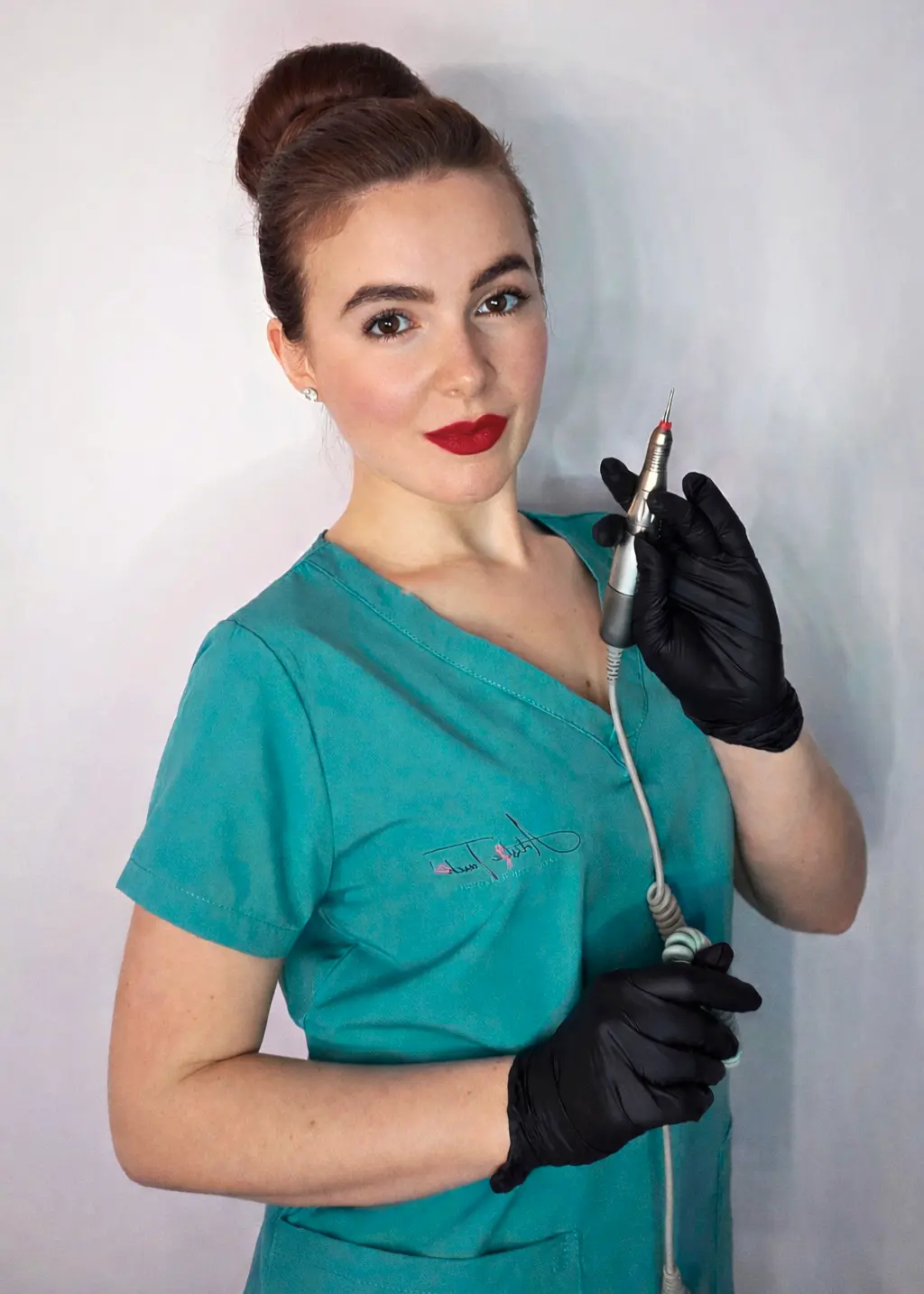
Radina Ignatova
Professional Nail Expert | International Nail Educator
I am Radina Ignatova, a Professional Nail Expert since 2014 and International Nail Educator, based in Scotland, UK. I am the Founder of Artistic Touch Nail Training Academy and TheNailWiki.
At Artistic Touch Nail Training Academy, I provide professional online nail courses specialising in dual forms, gel systems, polygel application, advanced nail structure, E-File work and Russian Manicure, with a strong focus on professional salon safety. I continue to work actively in salon practice, ensuring that all education reflects real client scenarios and current industry standards.
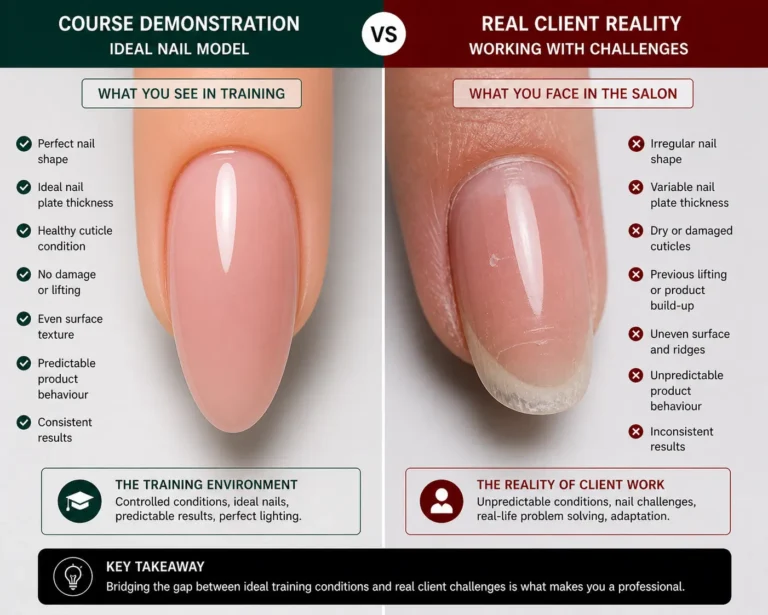
My teaching philosophy is simple: I show real salon challenges, real mistakes and real performance testing, not just perfect demonstrations. This is how you develop genuine technical competence and become a confident, capable nail professional.
Frequently Asked Questions
Does a clean, pale finish always mean the technique was correct?
Not necessarily. A clean finish shows the surface result but does not reveal the pressure, angle, or number of passes used to achieve it. Two technicians can produce a similar appearance while working with very different levels of control.
Is it wrong to aim for a clean, refined result?
No. A clean result is a reasonable goal. The concern is treating maximum visible refinement as the objective, rather than removing true cuticle appropriately and stopping once that has been achieved.
How can a technician tell when true cuticle has been fully removed?
This requires understanding the visual and textural difference between true cuticle and the nail plate beneath it, along with recognising the surrounding living tissue. This distinction is covered in depth within the Russian Manicure – Beyond Technique course.
Why might a Russian Manicure cause redness even if the final result looks clean?
Redness can result from pressure, friction, or repeated passes over the same area during the service. Minor redness may fade before a photograph is taken, meaning the image does not reflect what the tissue experienced.
Should every client receive the same depth of work during Russian Manicure?
No. Pocket depth, fold flexibility, and tissue sensitivity vary between clients. Applying the same depth of work regardless of anatomy can lead to unnecessary tissue involvement on some clients and under-preparation on others.
Learn to Assess the Technique, Not Just Copy It
Working confidently across different clients means understanding anatomy, maintaining technical control, and adapting the service to what the tissue in front of you actually requires, rather than repeating one routine regardless of who is in the chair.
View the Course Details →Disclaimer: This content is for professional nail technician education purposes only. Russian Manicure is not risk-free and should be performed only by trained professionals following current hygiene and safety regulations. Always carry out a full client consultation and check for contraindications before performing any nail service.
About Artistic Touch Nail Training Academy
Artistic Touch Nail Training Academy delivers professional online nail education focused on practical skill development, professional standards and safe salon practice. All courses are available online worldwide with lifetime access.