Why Expensive Nail Products Still Lift — And What Actually Causes Poor Retention
Why expensive nail products still cause lifting — Radina Ignatova explains the hidden prep and structural causes most nail technicians overlook.
Watch more professional nail education content on the official Artistic Touch Nail Training Academy YouTube channel.
Quick Answer
- Expensive products do not prevent lifting if the prep is incorrect.
- Invisible true cuticle left on the nail plate is one of the most common causes of poor adhesion.
- Over-filing weakens the nail plate and removes the surface texture that product needs to grip.
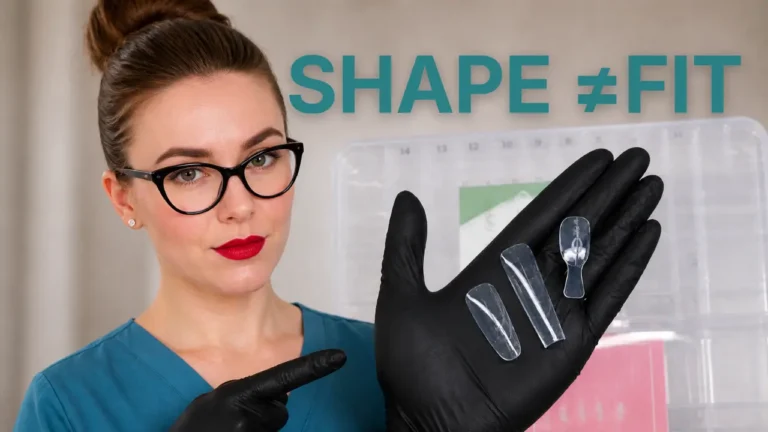
- Flat nail structure distributes stress unevenly, causing the product to separate over time.
- Professional retention requires understanding nail behaviour, not only following application steps.
It is one of the most frustrating experiences in professional nail work: you invest in a premium gel or builder, follow the application process carefully, and the product still lifts within days. The instinct is to blame the product. But in most cases, the product is not the problem — and switching brands will not change the outcome.
What actually determines whether a nail product stays in place has very little to do with price. It has everything to do with what happens before the product is even opened. Understanding that distinction is the difference between nail technicians who get consistent results and those who keep searching for a better bottle.
The True Cuticle: The Invisible Cause Most Technicians Miss
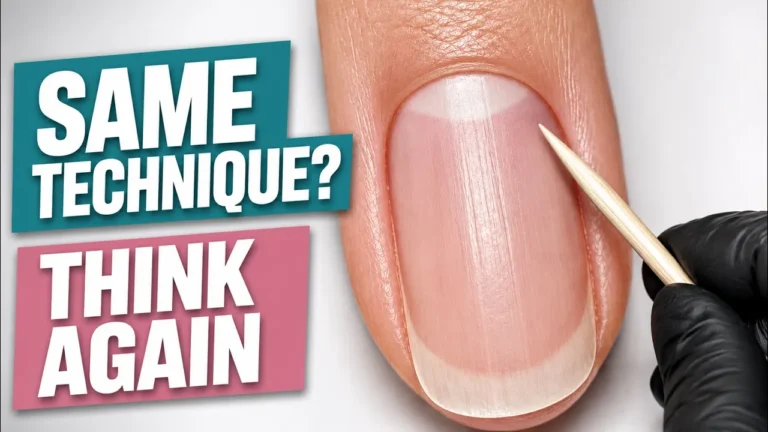
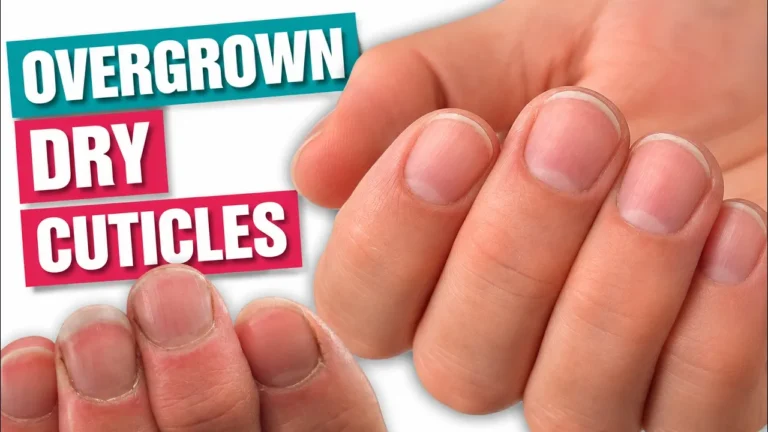
The most overlooked cause of lifting is also one of the least visible. The true cuticle — a thin layer of dead skin that migrates from the proximal nail fold onto the surface of the nail plate — is often translucent and nearly impossible to see with the naked eye under normal lighting conditions.
Even the smallest amount of this skin remaining on the plate will prevent proper adhesion in that area. Product does not bond to skin — it bonds to the nail plate itself. Where skin sits, the product has nothing to grip. The bond appears intact at first, but as the nail grows and flexes, that area begins to release. Within a few days, lifting appears, and because the cause is invisible at application, the product takes the blame.
Why it is so easy to miss
True cuticle is not the same as the eponychium (the living skin at the base of the nail). It is the dead tissue that has already migrated onto the plate surface. It can be so thin that it feels like nothing is there — yet it is enough to disrupt adhesion across the entire proximal zone.
This is why thorough, accurate cuticle preparation is not optional. It is the foundation of every application that lasts.
Why More Filing Creates Worse Retention
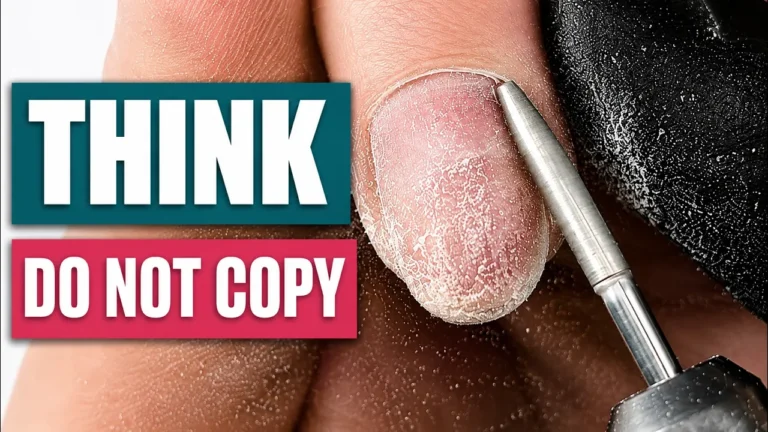
There is a persistent belief in the nail industry that more aggressive filing gives product a better surface to adhere to. In reality, the opposite is true. Over-filing is one of the most common causes of poor retention — and it is almost always done with good intentions.
The nail plate is made up of multiple layers of compressed keratin. The surface layer provides a texture that product can grip. When that layer is preserved and lightly prepared, adhesion is strong. When it is filed away — either through excessive use of a file, incorrect grit selection, or repeated passes — the technician goes through into the softer, smoother layers underneath.
⚠️ The problem with filing too deep
The deeper layers of the nail plate offer less texture and more flexibility. Product applied over a heavily filed nail has a weakened surface to adhere to, and a nail that flexes more beneath it. Both factors increase the likelihood of lifting — regardless of how premium the product is.
Two nail technicians can use the same product on the same brand of gel and achieve completely different results — not because of technique in the bottle, but because of what they did to the nail plate before opening it. The goal of nail prep is to remove what should not be there, not to remove as much as possible.
Nail Structure and Stress Distribution
Even when cuticle work and filing are executed well, lifting can still occur if the nail structure is incorrect. Structure refers to how the product is built across the nail — where the highest point sits, how the product tapers toward the free edge, and how stress is distributed as the nail moves during daily activity.
A nail built with a very flat profile distributes stress differently than one built with a proper apex. When the structure is too flat, the product lacks the mechanical support it needs. Stress concentrates at the weakest points — often the sidewalls or the stress areas — and the product begins to separate from those areas first. It looks like a product failure. It is actually an architectural one.
Structure is not about aesthetics
Clients often request flat, thin nails because they prefer the look. A skilled nail technician understands how to create a low-profile result that still maintains enough structure to support long-term retention — and how to explain to clients why that matters for the longevity of their appointment.
Why Watching Application Videos Is Not Enough
Social media has made nail education more accessible than at any point in history. Application videos are widely available, beautifully filmed, and often technically correct — in isolation. The problem is that a video showing product application on a prepared nail in controlled lighting cannot teach a technician how to read what is in front of them in a salon setting.
Every client presents differently. Nail plates vary in thickness, flexibility, oiliness, and texture. The same application approach that works perfectly on one client may produce lifting on another — not because the technique was wrong, but because it was not adjusted for what that particular nail required.
Professional retention is the result of understanding nail behaviour: recognising different nail types, knowing how to adjust prep and application accordingly, managing structure for different hand shapes and lifestyles, and troubleshooting when something unexpected appears. Copying steps from a video cannot transfer that understanding. Experience informed by structured education can.
If you want to start building that understanding, I have put together a free mini course — Why Your Nails Do Not Last — which walks through the most common causes of retention failure and what to look for in your own work.
Learn the Prep That Actually Prevents Lifting
My Nail Prep Course covers nail analysis, true cuticle removal, correct filing technique, product behaviour across different nail plate types, infill prep, and professional salon decision-making — with demonstrations on real clients, including the situations most courses never address.
Explore the Nail Prep Course →Frequently Asked Questions
If I use a high-quality base coat, will that solve my lifting problem?
A well-formulated base coat can support adhesion when the nail plate is correctly prepared. However, no base coat can bond properly to skin, oil, or a heavily filed surface. If the underlying prep issues remain, changing the base coat is unlikely to produce a meaningful difference in retention.
How do I know if I am over-filing?
Signs that the nail plate may have been over-filed include a surface that appears very smooth and shiny after filing rather than lightly textured, increased nail flexibility, and a thin feel to the nail. If clients report that their nails feel weak or sensitive after appointments, this is worth examining as part of a broader prep review.
My lifting always starts in the same area — what does that suggest?
Consistent lifting in a specific zone is useful diagnostic information. Lifting near the cuticle area often points to residual true cuticle or insufficient prep in the proximal zone. Lifting at the sidewalls may suggest an application or flooding issue. Lifting near the free edge is frequently structural. Identifying the consistent pattern and tracing it back to its cause is a more effective approach than switching products.
Does nail prep differ for clients with naturally oily nails?
Yes. Clients with naturally oily nail plates can require adjusted prep, including more thorough dehydration and sometimes a different primer approach. Understanding how to identify nail plate type and modify the prep sequence accordingly is a key part of working across a varied client base.
Can lifting be caused by how a client looks after their nails between appointments?
Client aftercare can contribute to early lifting — for example, exposure to harsh cleaning products, soaking, or peeling habits. However, if lifting is occurring consistently before the two-week mark across multiple clients, the cause is more likely within the application process itself, and aftercare advice alone will not resolve it.
Further Learning
- Understanding the Nail Plate — TheNailWiki
- Eponychium and True Cuticle Explained — TheNailWiki
- The Nail Bed — TheNailWiki
- E-File Manicure — TheNailWiki
- Why Your Nails Do Not Last — Free Mini Course, Artistic Touch
- Why Your Nails Do Not Last — Free Course, Artistic Touch Nail Training Academy
- Nail Prep Course: Online Nail Plate Preparation — Artistic Touch Nail Training Academy