How to Choose the Next Nail Course After You Qualify
Qualifying gives a nail technician a foundation, and the next question is usually what to learn after it. The choice is harder than it looks, because courses differ widely in what they cover, how they are taught and what support they offer, and the cost in time and money is real.
This guide sets out a way to choose, in the order that tends to work: decide the problem first, then compare courses on the same questions. If you are choosing for yourself, it is written for you. If someone is buying a course for you, it also explains what to tell them.
The Short Answer
Choose your next nail course by starting with what you want to improve in your own client work, not with what looks popular. Then compare courses on the same questions: what they cover, who teaches them, how they are taught, whether you receive feedback on your work, how long you have access and what is included. A course helps only if it matches the problem you are trying to solve.
Start With What You Want to Improve
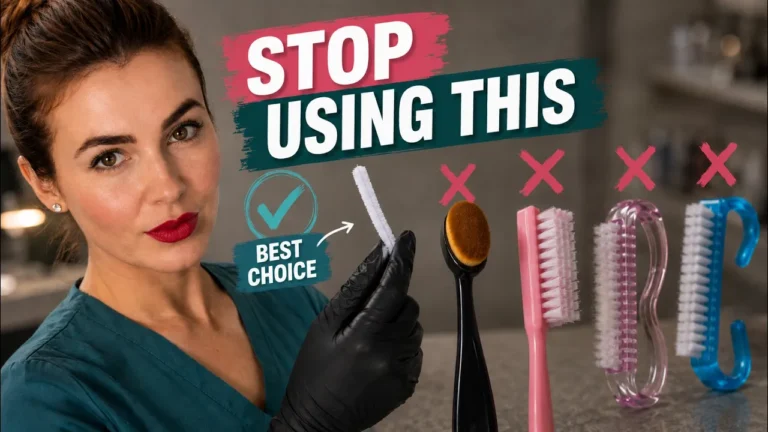
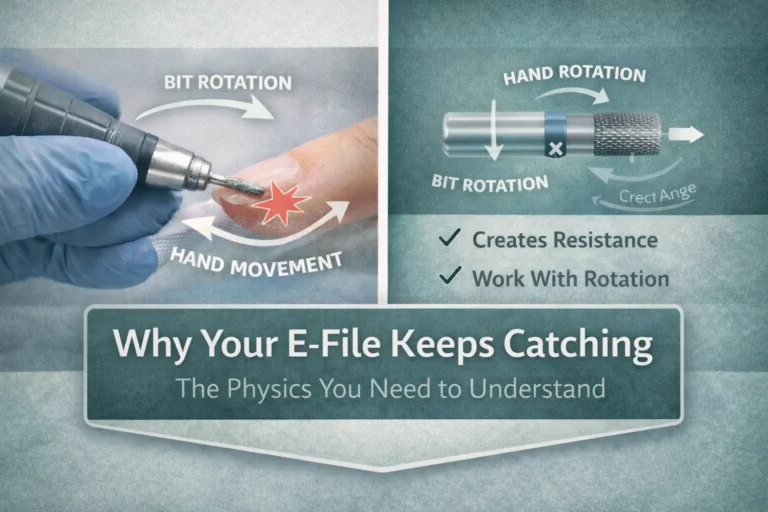
The strongest starting point is your own work. Think about where your results or your confidence fall short, or which service you want to be able to offer. Examples include nail preparation, retention, precision with an e-file, speed, or how you price your services.
Write it down as a sentence: “I want to be able to do this, or stop having this problem.” A course that does not address that sentence is unlikely to help, however well it is presented.
Questions to Ask About Any Course
Once you know what you want to improve, the same questions apply to every course you consider:
| Question | Why it matters |
|---|---|
| What does the course cover, specifically? | A clear list of topics lets you check it against what you want to improve |
| Who teaches it, and what is their working experience? | Current working experience is relevant to what is taught |
| How is it taught: video, live sessions or in person? | The format affects when and how you can learn |
| Do you receive feedback on your own work? | Feedback shows you what to change in your own technique |
| How long do you have access? | You may want to return to the material while you practise |
| What is included, and what is the certificate for? | Check whether any certificate is accredited, and what it does and does not represent |
| What happens if you are not satisfied? | Refund terms differ between providers |
Our article on what to look for in an online nail course goes into more detail on judging course quality.
Online or In Person?
Both formats have a place. In-person training gives direct hands-on correction but depends on dates, travel and location. Online training can be studied around your clients and repeated, but depends on how well the course explains its material and whether you can get feedback. The right choice depends on how you learn and on what you need to improve.
Look for Reasoning, Not Only Steps
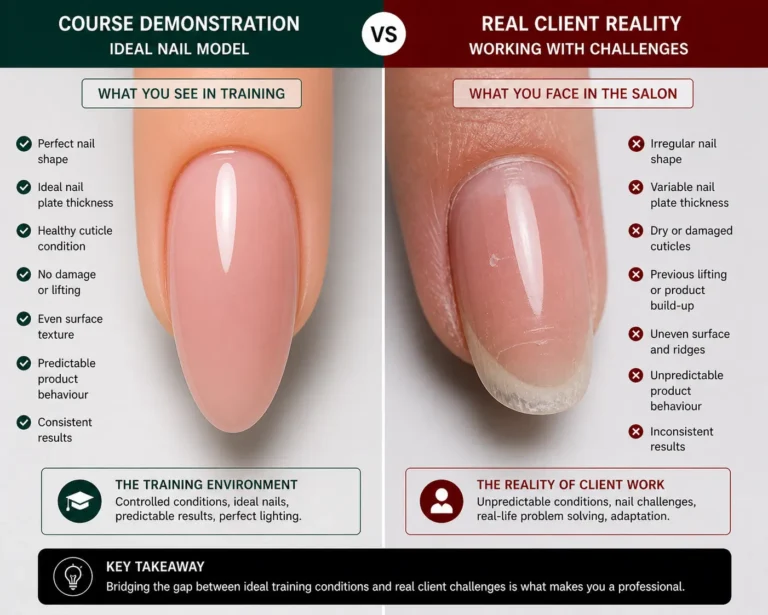
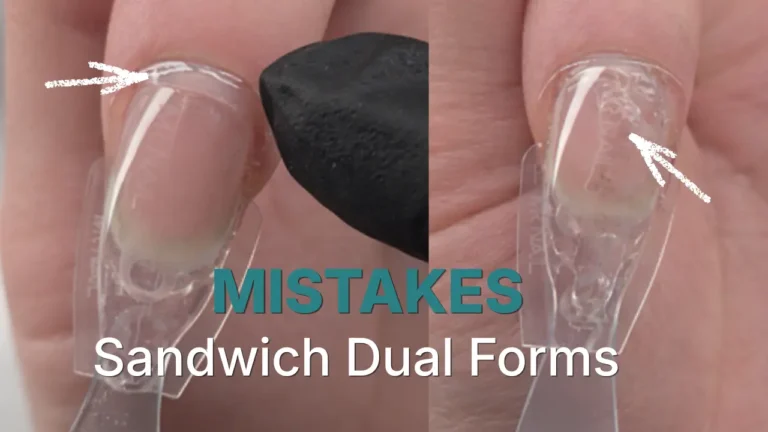
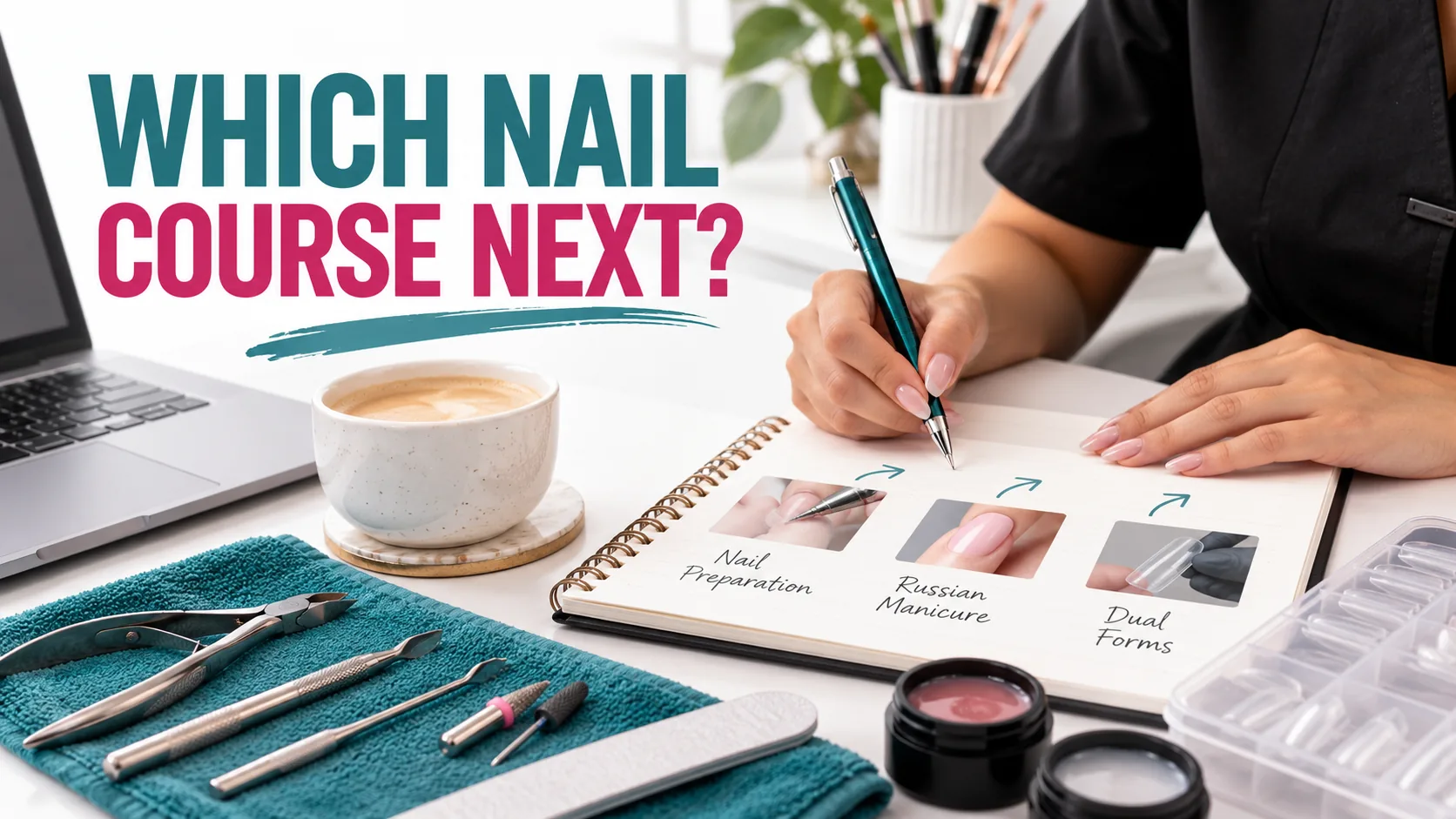
Many technicians can copy a sequence and still struggle when a client is different. A course that explains why each step is done, and how to adapt it, prepares you for the clients you actually see. That is how Artistic Touch Nail Training Academy approaches its teaching. It is a professional online academy founded by Radina Ignatova, Professional Nail Expert and International Nail Educator, and its online nail courses cover subjects such as nail preparation, Russian Manicure and dual forms.
If Someone Is Buying a Course for You
If a friend, partner or family member wants to give you training, tell them what you want to improve, or tell them you would like to choose yourself. A gift tied to one course only helps if it is the right one. A Gift Card holds a monetary value that you use towards any eligible course, which leaves the choice with you. Our guide to giving a nail course as a gift explains how course gift cards and vouchers work.
Frequently Asked Questions
How do I choose my next nail course?
Decide what you want to improve in your own client work first. Then compare courses on the same questions: what they cover, who teaches them, how they are taught, whether you get feedback, how long you have access and what is included.
What should a nail technician learn after qualifying?
It depends on your clients and what you find difficult. Examples include nail preparation, retention, precision and speed with an e-file, and pricing. Choose the area where improvement would make the most difference to your own work.
Should I choose an online or an in-person nail course?
Neither is better for everyone. In-person training offers direct correction but depends on dates and location. Online training can be fitted around clients and repeated, but depends on the quality of the course and the feedback available.
What questions should I ask before enrolling on a nail course?
Ask what it covers, who teaches it and with what experience, how it is taught, whether you receive feedback on your work, how long you have access, what is included and what the refund terms are.
Can I ask for a nail course as a gift?
Yes. Tell the person what you want to improve, or ask for a gift that lets you choose. At Artistic Touch, a Gift Card can be used towards eligible online training, and the recipient chooses the course. Our guide to giving a nail course as a gift explains how it works.
Looking for Your Next Course?
Explore the online nail courses, including nail preparation, Russian Manicure and dual forms.
Explore Online Nail Courses →About the Author

Radina Ignatova
Professional Nail Expert since 2014 and International Nail Educator
Radina Ignatova is a Professional Nail Expert since 2014 and International Nail Educator, based in Scotland, UK. She is the Founder of Artistic Touch Nail Training Academy and TheNailWiki, and continues to work actively in salon practice.