The Hidden Skill Most Nail Courses Never Teach

Quick Answer: What Skill Do Most Nail Courses Fail to Teach?
Decision-making. Most courses teach application procedures, product placement and finished aesthetics but not how to decide whether to proceed with services, when to adapt techniques, how to assess risk versus capability, when to refuse work or how to communicate limitations professionally. Real salon success depends on judgment under changing conditions more than perfect execution under ideal circumstances.
This article explains why professional judgment matters more than technical precision.
When Perfect Technique Meets Imperfect Reality
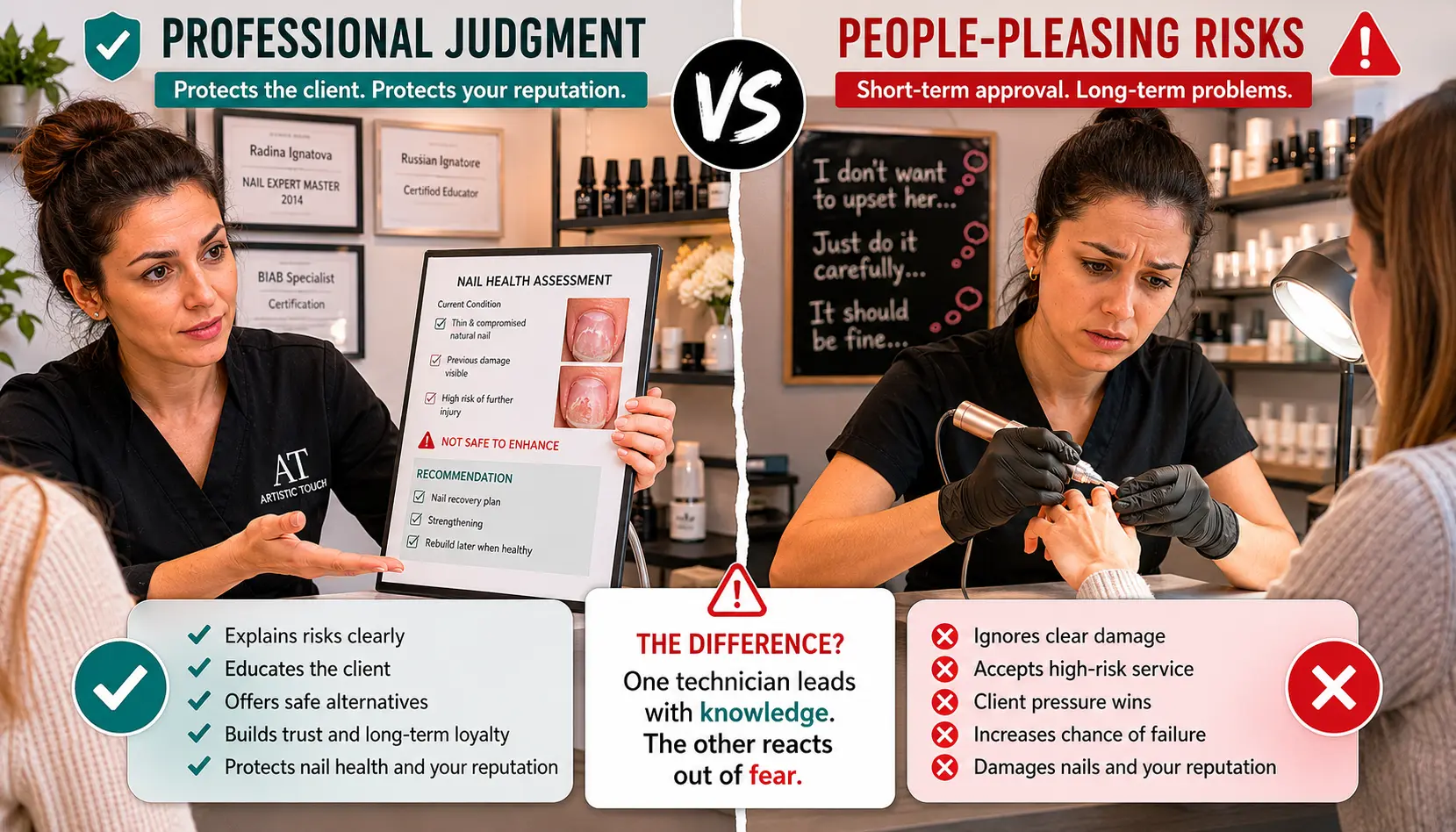
You learned flawless BIAB application. Your practice work is beautiful. A client books an appointment. During consultation you notice significant nail plate damage from previous enhancements. Their expectations for length exceed what compromised nails can safely support. You feel pressure to proceed because refusing work means losing income. Your training taught you how to apply BIAB. It never taught you how to assess whether you should apply it in this situation or how to explain limitations without losing the client.
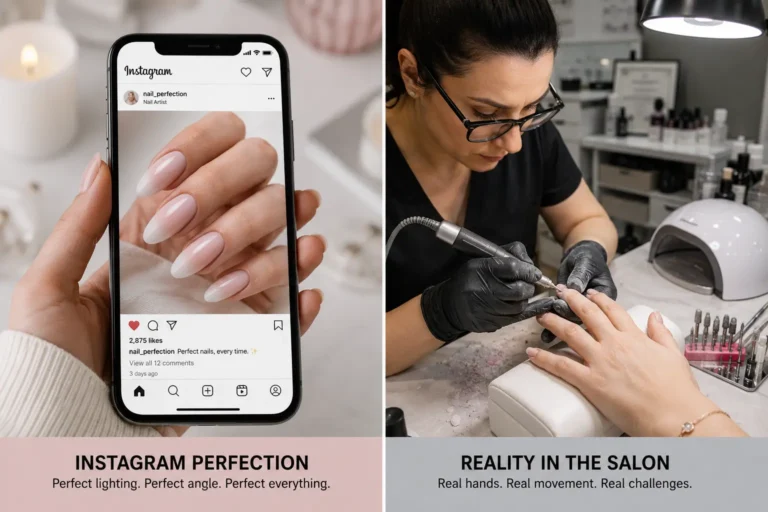
This is the gap most nail education never addresses. Courses demonstrate procedures assuming ideal conditions and cooperative clients. Real appointments require constant judgment calls: Should I proceed given this contraindication concern? How do I adapt this technique for this unusual nail geometry? When does damage severity exceed my capability? How do I refuse this service request without the client feeling rejected?
Professional competence is not just executing techniques correctly. It is knowing when to execute them, when to modify them and when to decline entirely. This decision-making ability determines career sustainability more than application precision.
The Decisions Tutorials Never Address
You watch product demonstrations showing perfect application on healthy nails. None explain: what level of nail plate damage contraindicates enhancement application, how to assess whether thinning is cosmetic or structural, when visible damage requires refusal despite client insistence, how to identify early infection signs requiring medical referral or what constitutes reasonable risk versus negligent practice.
These judgment calls happen daily in professional work. You cannot learn them from perfect demonstrations because perfect conditions eliminate the need for difficult decisions. But real clients arrive with: previous damage of unknown severity, health conditions they may not disclose accurately, unrealistic expectations requiring difficult conversations, budget constraints affecting service options or lifestyle factors making standard techniques inappropriate.
Your ability to navigate these situations professionally determines whether you build sustainable practice or create problems that damage your reputation and client trust.
Why Most Courses Teach Steps Not Judgment
Application procedures are easy to demonstrate and test. Did you complete these steps? Did the finished work match the standard? These create measurable learning outcomes that courses can verify. Professional judgment is harder to teach because it requires understanding principles, recognising context and making defensible decisions under uncertainty.
So most education focuses on what can be demonstrated and assessed simply: product application, shaping technique, finished appearance. The harder skills—assessing client suitability, adapting for individual factors, recognising your capability limits, communicating professionally about what you cannot do—are skipped because they resist simple demonstration.
This creates nail technicians who can execute procedures beautifully when conditions match their training but panic when reality deviates from tutorial examples. They know what to do. They do not know how to decide whether doing it is appropriate.
When Client Expectations Exceed Safe Capability
A client wants extreme length on severely damaged nails. You know structurally this will fail and potentially worsen existing damage. Your training never addressed how to handle this conversation. Do you: proceed and risk failure, refuse and risk losing income, compromise with shorter length and risk client dissatisfaction or refer elsewhere and risk appearing incompetent?
There is no single correct answer because the decision depends on: damage severity you assess, your confidence in your assessment accuracy, client’s understanding when you explain risks, your financial pressure to accept work, your tolerance for potential complications and your professional standards for acceptable risk.
Professional judgment means weighing these factors honestly and choosing defensibly. Courses that only teach perfect execution on healthy nails never prepare you for these real decisions that affect your business sustainability and professional integrity.
The Product Selection Decision
Tutorials show specific products applied in specific sequences. Real appointments require deciding: which system suits this client’s natural nail characteristics, whether their lifestyle stress exceeds this product’s capabilities, if their budget allows optimal materials or requires compromise, whether their sensitivity history contraindicates certain chemicals or if their maintenance commitment matches this product’s requirements.
These decisions change for every client. You cannot memorise correct answers because correct changes based on individual circumstances. You need understanding of product behaviour principles, material properties, client lifestyle factors and realistic performance expectations.
Nail techs who only learned procedures keep using the same products on every client hoping for consistent results. Nail techs who learned judgment select intentionally based on individual requirements and can explain their reasoning when outcomes vary.
Recognising Contraindications Versus Following Rules
Courses list contraindications: active infection, severe damage, certain health conditions. But real situations rarely arrive clearly labelled. You see nail discolouration. Is this: fungal infection requiring refusal, bacterial colonisation needing treatment first, melanin variation that is cosmetic only or previous staining from dark polish?
The decision affects whether you proceed, refer for medical assessment or educate the client about benign variations. You cannot make this call by memorising contraindication lists. You need understanding of pathology presentations, infection versus cosmetic characteristics and your assessment limitations requiring professional medical input.
Professional judgment includes recognising when situations exceed your diagnostic capability and require referral rather than proceeding based on guesses. This protects both client safety and your professional liability.
When to Modify Technique Versus When to Refuse
A client presents with hooked nails, lateral curvature variation and previous damage. Standard dual form technique will not work. Do you: adapt the approach using your structural understanding, attempt the work hoping for acceptable results, refuse because complexity exceeds your experience or charge premium pricing reflecting increased difficulty?
This decision requires honest assessment of your actual capability versus your hoped capability. Many nail techs attempt work beyond their skill level because refusing feels like admitting inadequacy. But proceeding when you cannot reliably deliver good results damages your reputation more than honest acknowledgment of current limitations.
Professional maturity includes knowing what you cannot yet do well and either developing that capability before offering it or referring clients to technicians with appropriate expertise. Courses teaching only successful demonstrations never model this honest self-assessment.
The Difficult Client Conversation
You must tell a client: their requested length is not safely achievable given their nail condition, their expectation timeline is unrealistic, their budget does not support the service they want or their lifestyle will likely cause premature failure. Your training taught you nail application. It never taught you how to deliver disappointing news while maintaining client relationship and professional boundaries.
These conversations determine whether clients trust your judgment, follow your recommendations, refer others to you or leave feeling rejected and write negative reviews. Communication skill matters as much as technical skill for professional sustainability.
Learning to say “I cannot do this safely” or “This will not work for these reasons” or “Your expectations need adjusting” professionally and empathetically is critical competence that demonstration-focused education never addresses.
Understanding When Not to Do Something
A client requests removal of severely overgrown enhancements you did not apply. The work underneath appears damaged but you cannot assess extent until removal. Do you: proceed with removal risking revealing damage you will be blamed for, refuse the service seeming unhelpful, quote higher pricing reflecting uncertainty or require them to sign disclaimers about pre-existing conditions?
Professional practice constantly presents situations where the correct decision is refusing work despite financial incentive to proceed. This requires: financial security allowing you to decline income, professional confidence in your judgment, communication skill to refuse without offending and understanding of when risk exceeds appropriate professional bounds.
These capabilities develop through experience and mentorship. They cannot be taught through product demonstrations showing only ideal scenarios.
How Growth Direction Changes Everything
You understand growth direction affects structural requirements. A client’s nails grow with significant lateral deviation. Your standard apex placement will create stress concentration. Do you: adapt apex position using structural principles you understand, proceed with standard technique hoping it works, recommend a different enhancement method or explain this nail type challenges your current capability?
The decision reveals whether you learned principles allowing adaptation or just memorised procedures for typical situations. Professional nail work requires handling atypical presentations confidently. That confidence comes from understanding why techniques work, not just how to execute them when conditions are ideal.
Decision-making ability separates professionals who can reason through novel situations from technicians who can only replicate familiar procedures.
Execution Versus Judgment
The nail industry provides abundant education teaching application procedures. It provides minimal training in professional judgment, client assessment, contraindication recognition, capability honest self-assessment, risk evaluation or difficult communication. Yet these decision-making skills determine career sustainability more than perfect product placement.
You cannot build professional practice on technical precision alone when every client presents individual variables requiring judgment, adaptation and sometimes refusal. Real professional development means learning to think, not just to execute.
Learn Professional Thinking and Decision-Making
Artistic Touch courses teach you to assess client suitability, recognise contraindications, adapt techniques to individual requirements and develop the professional judgment that creates sustainable practice—not just demonstrate perfect procedures.
View All Courses →Lifetime access • Private student community • Start immediately
Frequently Asked Questions
Why do I struggle with real clients when I can do techniques perfectly on practice tips?
Practice tips eliminate the decision-making that real appointments require. Real clients present with damaged nails, unusual geometry, unrealistic expectations, contraindications, budget constraints and lifestyle factors requiring constant judgment about whether to proceed, how to adapt or when to refuse. Your training taught procedures for ideal conditions, not decision-making for complex reality.
How do I know when nail damage is too severe to work on?
This requires understanding structural integrity, damage severity assessment and honest evaluation of your capability to work safely within those limitations. If you cannot confidently assess damage extent, if proceeding carries risk you cannot manage or if client expectations exceed what damaged nails can support, refusal is the professional decision regardless of financial pressure to accept work.
Should I refuse services I have not practised much?
Professional honesty requires refusing work beyond your current reliable capability or disclosing your experience level and letting clients choose. Attempting techniques you cannot consistently execute well damages your reputation more than honest acknowledgment of limitations. Develop competence through practice and education before offering services commercially.
How do I tell clients their expectations are unrealistic?
Focus on education rather than rejection. Explain structural limitations, why specific requests risk damage or failure, what alternatives might achieve similar goals safely and what realistic outcomes look like given their nail condition. Professional communication means delivering honest assessment while respecting client intelligence and maintaining positive relationship.
What if refusing services means losing income I need?
Financial pressure to accept inappropriate work creates worse long-term problems than short-term income loss. Failures damage reputation, create negative reviews, require unpaid correction work and destroy client trust. Building sustainable practice requires developing financial stability allowing professional judgment to override immediate income pressure. Start with honest self-assessment about current capabilities.
How do professional nail techs make decisions so confidently?
Confidence comes from understanding principles allowing reasoning through novel situations, experience handling varied presentations, honest assessment of personal capability limits and comfort with refusing inappropriate work. This develops through structured education teaching judgment alongside technique and professional practice building decision-making experience over time.
About the Author
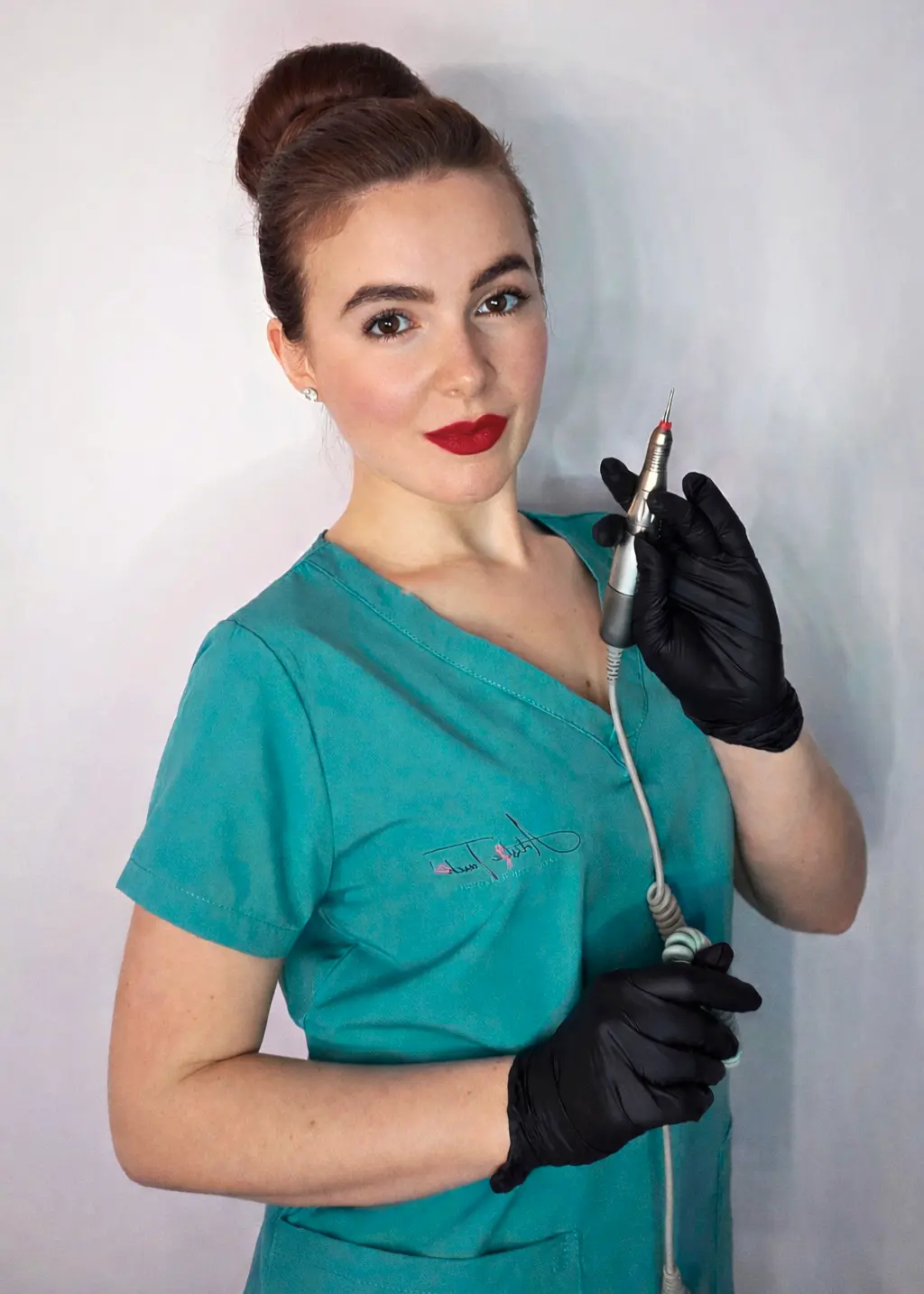
Radina Ignatova
Professional Nail Expert | International Nail Educator
I am Radina Ignatova, a Professional Nail Expert since 2014 and International Nail Educator, based in Scotland, UK. I am the Founder of Artistic Touch Nail Training Academy and TheNailWiki.
At Artistic Touch Nail Training Academy, I provide structured professional online nail courses specialising in dual forms, gel systems, polygel application, advanced nail structure, E-File work and Russian Manicure, with a strong focus on professional salon safety. I continue to work actively in salon practice, ensuring that all education reflects real client scenarios and current industry standards.
My teaching philosophy is simple: I show real salon challenges, real mistakes and real performance testing, not just perfect demonstrations. This is how you develop genuine technical competence and become a confident, capable nail professional.
Every Artistic Touch course includes lifetime access and access to a dedicated student support group, where I provide ongoing guidance and professional feedback.
Disclaimer: This content is for educational purposes only. Nail services should be performed by trained professionals following current hygiene and safety regulations. Always carry out a full client consultation and check for contraindications before performing any nail service.
About Artistic Touch Nail Training Academy
Artistic Touch Nail Training Academy delivers structured professional online nail education focused on practical skill development, professional standards and safe salon practice. All courses are available online worldwide.