The “Gel Nail Ban” That Is Not a Gel Nail Ban: How Fearmongering Headlines Are Damaging Nail Businesses

“Gel nails banned.” “Gel polish banned over fertility fears.” “New ban in all UK nail salons.”
If you are a client reading those headlines, what conclusion are you supposed to reach? You would understandably think that gel manicures themselves have been declared dangerous and are being removed from British salons.
They have not. What has changed is the regulation of one cosmetic ingredient: TPO.
Why Terminology Matters Here
Gel nails have not been banned. Gel polish has not been banned. Nail salons have not been prohibited from providing gel services. The regulatory change concerns one ingredient, TPO, Trimethylbenzoyl Diphenylphosphine Oxide, in cosmetic products. Describing this as a “gel nail ban” goes considerably further than what the regulation actually says.
What Recent Headlines Are Actually Saying
Coverage of the TPO regulatory change has included headline phrasing such as “the gel nail ban”, claims that a “new ban officially comes into force in all nail salons across the UK”, and framing linking the change directly to fertility, sometimes stated as fact rather than as a regulatory classification.
This is not necessarily a case of publications being deliberately dishonest. Several outlets covering the story do clarify, further down in the article body, that gel manicures themselves have not been banned and that the change concerns TPO specifically. The difficulty is what happens between the headline and that clarification.
The Gap Between Headline and Regulation
A headline is written to be read in a second or two, often before a reader decides whether to open the full article at all. Many readers absorb only the headline, particularly when it is shared or screenshotted on social media without the accompanying text. When that headline states or strongly implies a ban on “gel nails” as a category, the more accurate explanation buried several paragraphs later frequently never reaches the reader at all.
This is where an attention-grabbing headline, a subsequent clarifying explanation within the article, and what an ordinary salon client is actually likely to take away, diverge from one another considerably.
What the Regulation Actually Restricts
TPO is a photoinitiator, an ingredient used in some UV and LED-curable nail products. Its job is to trigger curing under lamp light. The restriction targets this one ingredient. It does not apply to gel as a category of technology. Manufacturers can, and many already have, reformulated their products using different, permitted photoinitiators instead of TPO. TPO-free gel systems already exist widely across the professional market.
In Great Britain, there are two key dates. From 15 August 2026, products containing TPO can no longer be newly placed on the market. From 14 February 2027, an off-shelf deadline applies to selling those products. This is the Great Britain position specifically. It is different from the European Union, where TPO was banned in cosmetic products from 1 September 2025. According to our companion article, Is Gel Polish Banned in the UK?, there is also a separate position for Northern Ireland, which follows EU rules.
Not an Immediate Blanket Removal
The Great Britain legislation sets deadlines for placing products on the market and for making them available, rather than a single date by which every salon must discard all existing TPO-containing stock overnight. Technicians should confirm current supplier and trade body guidance rather than assume the strictest possible interpretation.
How This Confusion Damages Real Nail Businesses

Consider a client who sees a headline reading “gel nails banned over fertility fears”. She does not read the underlying regulatory document. She cancels her BIAB appointment. She tells friends that gel nails have been banned because they cause infertility.
Consider another client who asks her regular technician why she is “still doing gel nails” if they have been banned. A technician who has already checked her products, contacted her suppliers, and continues to offer a fully compliant service, now has to defend the basic legality of her profession, not because of anything she has done wrong, but because of how the story has been framed for a consumer audience.
For a self-employed technician or small salon, reputation and client confidence are not abstract concerns. A misleading distinction between “an ingredient has been restricted” and “the service has been banned” can directly affect bookings, trust, and income, even though nothing about the technician’s actual compliance has changed.
Hazard Classification Is Not Proof of Harm
TPO was reclassified as a Category 1B reproductive toxicant. This hazard classification is based on animal study data. It is not the same statement as evidence that normal use of a finished gel manicure has been proven to cause infertility in salon clients. Our companion article, Do Gel Nails Cause Infertility? What the TPO Headlines Are Not Explaining, covers this distinction in full.
The regulation should be followed. Following it does not require exaggerating what the science or the law actually says.
Key Takeaway
TPO is being removed from cosmetic products following its regulatory classification. Gel nail services themselves remain legal, and compliant gel systems continue to be used. A regulation intended to remove one ingredient should not be turned into a message that an entire professional service has suddenly been outlawed.
Want the Full Regulatory Picture?
Read the complete breakdown of the EU, Great Britain and Northern Ireland positions, with confirmed dates and sources.
Read the Full TPO Explainer →Understand the Regulation, Not Just the Headline
The nail industry needs accurate information, not panic. Artistic Touch Nail Training Academy is built on understanding why before how, including in regulation and product knowledge.
Explore Artistic Touch Courses →About Radina Ignatova and Her Teaching Philosophy
About the Author
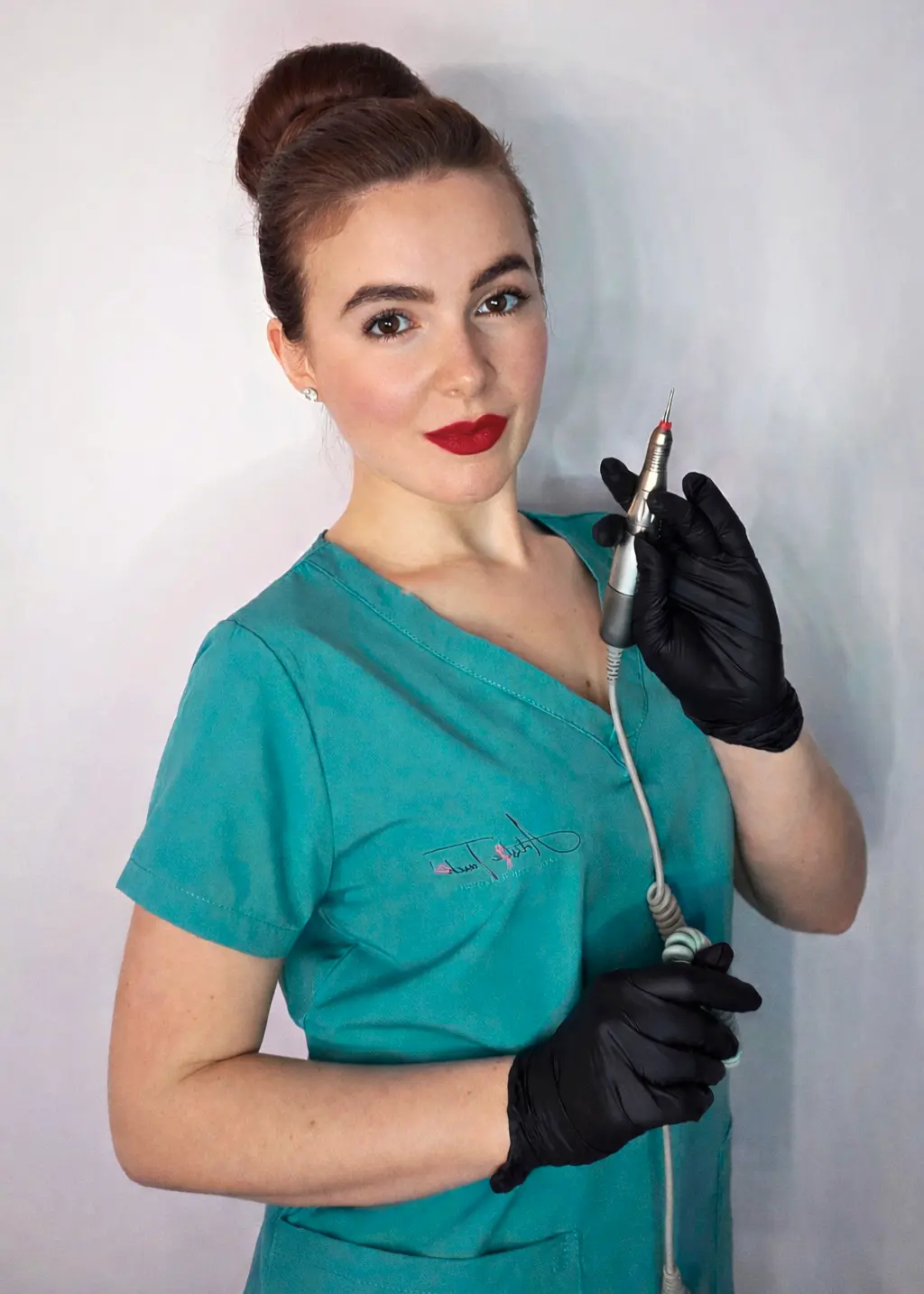
Radina Ignatova
Professional Nail Expert | International Nail Educator
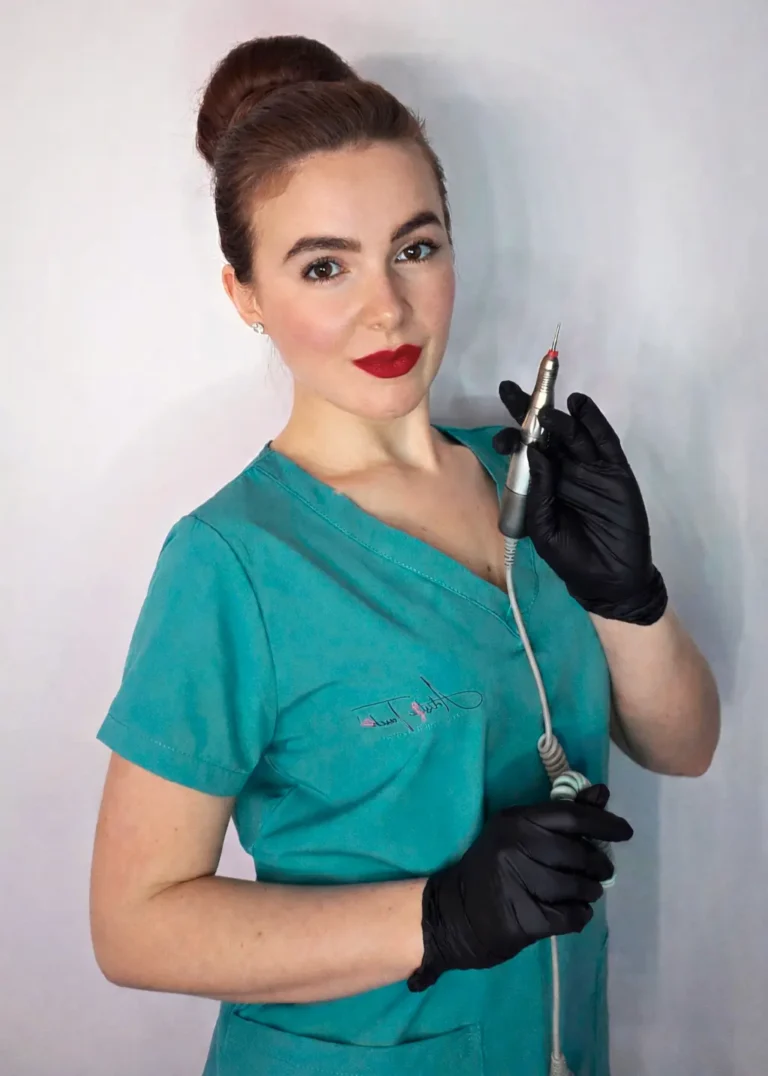
I am Radina Ignatova, a Professional Nail Expert since 2014 and International Nail Educator, based in Scotland, UK. I am the Founder of Artistic Touch Nail Training Academy and TheNailWiki.
At Artistic Touch Nail Training Academy, I provide professional online nail courses specialising in dual forms, gel systems, polygel application, advanced nail structure, E-File work and Russian Manicure, with a strong focus on professional salon safety. I continue to work actively in salon practice, ensuring that all education reflects real client scenarios and current industry standards.
My teaching philosophy is simple: I show real salon challenges, real mistakes and real performance testing, not just perfect demonstrations. This is how you develop genuine technical competence and become a confident, capable nail professional.
Important Information
This article is provided for professional education purposes and reflects publicly available regulatory information at the time of writing. It is not legal advice. Businesses are responsible for verifying current compliance requirements directly with official sources, including UK Government guidance, the Office for Product Safety and Standards, the Cosmetic, Toiletry and Perfumery Association, and their own product suppliers. This article does not comment on the editorial intentions of any specific publication and does not allege deliberate dishonesty by any journalist or outlet.
Frequently Asked Questions
Is it accurate to call this a “gel nail ban”?
No. The regulation restricts one ingredient, TPO, in cosmetic products. Gel nail services and compliant, TPO-free gel formulations remain legal.
Why do headlines describe this as a ban on gel nails rather than TPO specifically?
Headlines are written to be read quickly and to communicate a general sense of a story to a broad audience. This format is not well suited to conveying the distinction between a specific ingredient restriction and an entire professional service.
Should salons using TPO-containing stock be worried about ignoring a ban?
A salon following the applicable Great Britain or Northern Ireland dates and current supplier guidance is not ignoring anything. Confusion arises from the framing of coverage, not from the salon’s actual compliance position.
How should a technician respond if a client mentions the “ban”?
A brief, accurate explanation that the regulation concerns TPO specifically, not gel manicures as a whole, is usually sufficient. A dedicated client-communication script is provided in our companion article for technicians and salon owners.
Does this article accuse the media of lying about the regulation?
No. Several outlets covering this story do accurately clarify the distinction within the body of their articles. The concern raised here is the gap between headline framing and what many readers ultimately take away, not an allegation of deliberate dishonesty.
About Artistic Touch Nail Training Academy
Artistic Touch Nail Training Academy delivers professional online nail education focused on practical skill development, professional standards and safe salon practice. All courses are available online worldwide with lifetime access.