Why Does My Gel Polish Keep Lifting? (15 Causes + Professional Fixes)
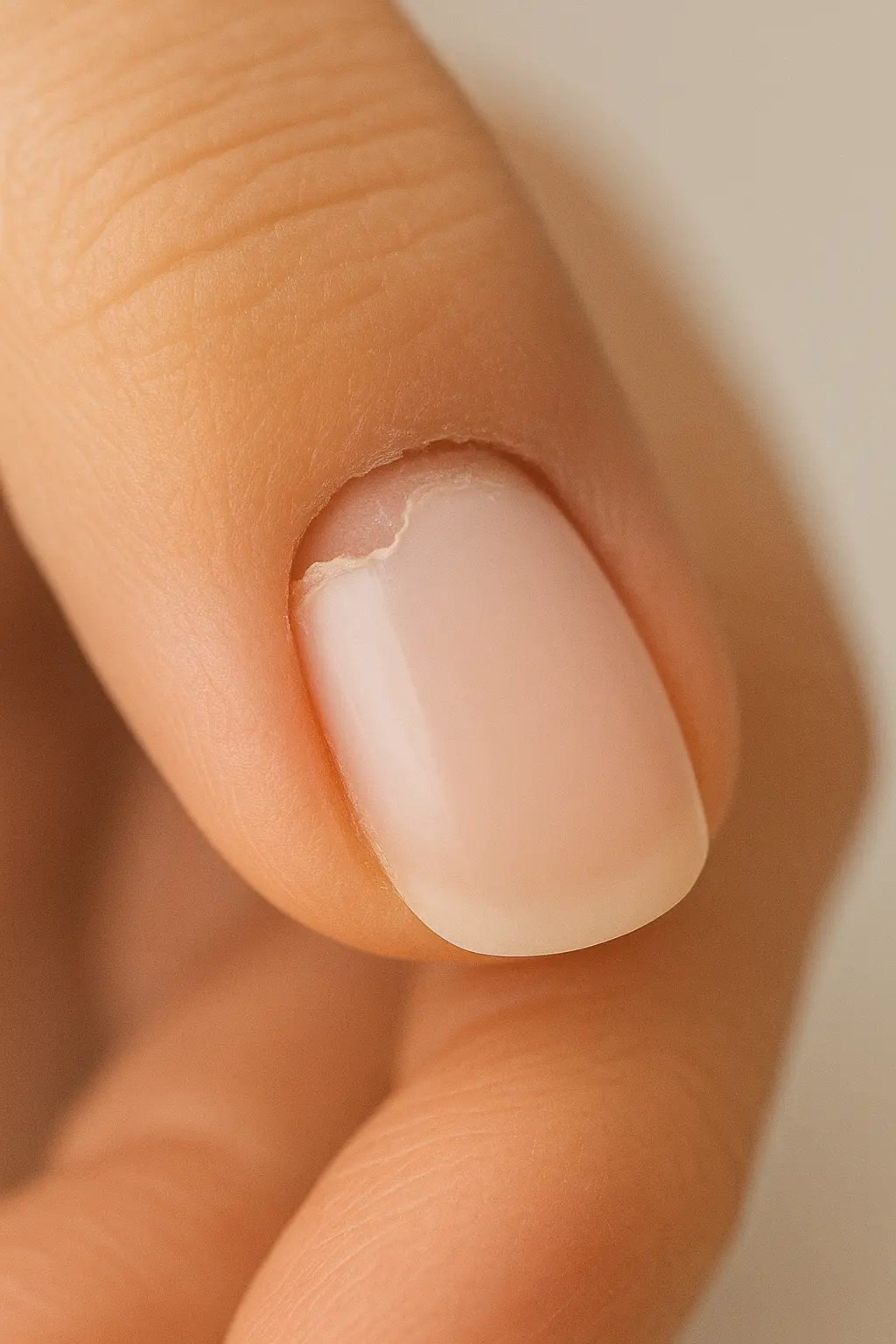
Quick Answer: What Causes Gel Polish Lifting?
Inadequate cuticle preparation causes approximately 70% of all gel polish lifting problems. When cuticle tissue, dead skin, and natural nail oils are not properly removed before application, gel polish cannot bond molecularly to the nail plate. The result: lifting begins within 2-7 days at the cuticle zone, allowing moisture underneath and causing complete failure.
The permanent solution: Master Russian-style e-file cuticle preparation technique. This method removes cuticle tissue completely, dehydrates the nail surface properly, and creates optimal bonding conditions. Gel polish applied over proper Russian-style preparation lasts 3-6 weeks without lifting.
Other common causes: Product contamination, incorrect application technique, incompatible products, nail plate damage, inadequate dehydration, environmental factors, and client aftercare issues. Each cause has specific professional solutions.
The Frustration Every Nail Technician Knows Too Well
You completed a beautiful gel polish application. Perfect cuticle work, smooth application, flawless finish. The client left delighted. You felt confident in your work.
Three days later, the message arrives: “My nails are lifting at the cuticles already. Can you fix them?”
Your confidence evaporates. You replay the entire appointment in your mind, searching for the mistake. You followed every step you were taught. You used quality products. You cured properly. What went wrong?
Gel polish lifting is the single most common problem nail technicians face – and the most misunderstood.
After fifteen years of salon work and training hundreds of nail technicians, one truth becomes absolutely clear: lifting almost never happens because of “difficult client nails” or “bad luck.” Lifting happens because of specific, identifiable preparation and technique errors. Once you understand the true causes, you can eliminate lifting permanently.
This comprehensive guide reveals the 15 most common causes of gel polish lifting, ranked by frequency, with professional solutions for each. By addressing these issues systematically, you transform from experiencing lifting on 30-50% of clients to achieving consistent 3-6 week retention.
Understanding Gel Polish Lifting: The Science
Gel polish bonds to the natural nail through molecular adhesion. The gel formula’s molecules literally attach to the nail plate’s keratin molecules, creating a chemical bond stronger than mechanical grip alone. This process requires three critical conditions:
- Clean nail surface: Free from oils, moisture, dead skin, cuticle tissue, and contaminants
- Proper dehydration: Nail plate sufficiently dried to allow product penetration
- Compatible chemistry: Base coat, colour, and top coat formulated to bond together
When any of these conditions fails, molecular bonding cannot occur properly. The gel polish sits on top of the nail rather than bonding with it. Movement, moisture, or pressure breaks the weak connection, causing lifting.
Why Lifting Typically Starts at Cuticles
The cuticle zone is the most vulnerable area for lifting because it accumulates the highest concentration of contaminants: cuticle tissue, dead skin cells, natural oils, and moisture. This area also experiences the most stress from daily nail flexing. When preparation is inadequate, lifting always begins at cuticles first, then spreads across the nail plate.
The 15 Most Common Causes of Gel Polish Lifting (Ranked by Frequency)
These causes are ranked from most frequent to least frequent based on over fifteen years of professional experience, student feedback, and troubleshooting thousands of lifting cases.
Cause #1: Inadequate Cuticle Preparation (70% of All Lifting)
The Problem: Cuticle tissue, dead skin, and eponychium (live cuticle) remain on the nail plate after preparation. Even microscopic amounts create a barrier preventing molecular bonding. Traditional hand filing and cuticle pushers cannot remove cuticle tissue completely – they simply push it around.
Why It Happens:
- Technicians never learned proper cuticle preparation technique
- Relying on cuticle remover and orange sticks (insufficient for professional results)
- Fear of e-file equipment or lack of proper e-file training
- Rushing through preparation to save time
- Cannot see cuticle tissue clearly without proper lighting
The Professional Solution:
Master Russian-style e-file cuticle preparation. This technique uses specific e-file bits to remove all cuticle tissue completely, clean the nail plate thoroughly, and create a perfectly prepared surface for molecular bonding. The difference is dramatic: gel polish over proper Russian preparation lasts 3-6 weeks without lifting, compared to 5-10 days with traditional preparation.
✓ Immediate Action Step
Invest in professional e-file training focusing on Russian-style cuticle preparation. This single skill eliminates 70% of lifting problems immediately. Proper training costs £197-£297 but pays for itself within the first week through reduced complaints, fewer repair appointments, and confident client retention.
Cause #2: Insufficient Nail Dehydration (15% of Lifting)
The Problem: Natural nail plate contains moisture. Without proper dehydration, this moisture prevents gel polish from bonding correctly. The gel sits on top of a damp surface rather than penetrating and bonding molecularly.
Why It Happens:
- Applying gel immediately after washing hands (nail plate saturated)
- Not using professional dehydrator/prep products
- High humidity in salon environment
- Naturally oily nail beds (requires extra dehydration time)
- Touching nails with fingers after cleaning (recontamination)
The Professional Solution:
- Use professional dehydrator: Apply after all preparation is complete, allow to air dry completely
- Wait 30-60 seconds: Let nail plate fully dehydrate before applying base coat
- Avoid water after prep: Never rinse hands after cuticle work – use dry methods only
- Clean with alcohol: 99% isopropyl alcohol removes oils without adding moisture
- Primer for oily nails: Use acid-free primer on naturally oily nail beds
Cause #3: Product Touching Skin or Cuticles (8% of Lifting)
The Problem: Gel polish applied too close to cuticles or touching sidewalls creates points where moisture can enter. Even microscopic gaps allow water underneath, breaking the bond and causing progressive lifting.
Why It Happens:
- Inadequate brush control during application
- Attempting to apply gel too close to cuticle (flooding)
- Not cleaning up mistakes immediately
- Using thick gel that spreads toward cuticles during curing
- Inexperience with proper gap distance
The Professional Solution:
- Leave microscopic gap: 0.5mm gap at cuticle appears seamless but prevents skin contact
- Clean up flooding immediately: Use clean brush or orange stick before curing
- Proper brush technique: Control product placement precisely
- Check sidewalls: Ensure no product touches skin along nail edges
- Practice restraint: Better to leave tiny gap than risk skin contact
Cause #4: Natural Nail Oils Not Removed (6% of Lifting)
The Problem: Natural oils secreted by nail bed create barrier preventing gel adhesion. Some clients produce significantly more oil than others, making standard preparation insufficient.
The Professional Solution:
- Cleanse with 99% isopropyl alcohol after all preparation
- Use professional nail dehydrator on all clients
- Consider acid-free primer for extremely oily nail beds
- Never skip dehydration step to save time
- Wait full drying time before applying base coat
Cause #5: Incompatible Product Brands (5% of Lifting)
The Problem: Mixing base coat, colour, and top coat from different manufacturers sometimes creates chemical incompatibility. Products formulated differently may not bond properly together.
The Professional Solution:
- Use complete system from one brand when possible
- Test product combinations on practice hand before using on clients
- If mixing brands, ensure both are professional-grade gel systems
- Avoid mixing economy brands with professional systems
- Keep detailed notes on successful product combinations
Cause #6: Insufficient Curing Time (4% of Lifting)
The Problem: Under-cured gel polish remains partially liquid, never fully hardening. This creates weak bond that fails under normal stress.
The Professional Solution:
- Follow manufacturer curing time exactly (typically 30-60 seconds per layer)
- Ensure lamp appropriate for products used – follow manufacturer instructions
- Replace lamp bulbs regularly (LED bulbs degrade over time)
- Position hand properly in lamp (all nails receiving full light exposure)
- Cure each layer separately, never rush through curing
Cause #7: Over-Filing Natural Nail Plate (3% of Lifting)
The Problem: Aggressive filing thins nail plate, making it flexible and weak. Thin nails flex more during daily activities, breaking gel polish bond.
The Professional Solution:
- Minimal surface filing only (light buff to remove shine)
- Never file aggressively to “create adhesion”
- Use proper e-file bits at correct speeds
- Focus preparation on cuticle removal, not surface damage
- Consider BIAB or builder gel for very thin nails (adds structure)
Cause #8: Contaminated Products (3% of Lifting)
The Problem: Product bottles contaminated with dust, uncured gel, or other substances affect curing and bonding.
The Professional Solution:
- Clean bottle necks and caps after every use
- Never use brush directly from bottle to nail (pour onto palette)
- Store products properly (cool, dark, sealed)
- Replace products showing contamination
- Check expiration dates regularly
Cause #9: Application Too Thick (2% of Lifting)
The Problem: Thick gel layers cannot cure completely through entire depth. Bottom layer remains partially uncured, creating weak bond.
The Professional Solution:
- Apply thin, even layers
- Two thin coats better than one thick coat
- Use proper brush pressure (light touch)
- Cure each layer completely before adding next
- Flash cure if product self-levels too thick
Cause #10: Client Immediate Water Exposure (2% of Lifting)
The Problem: Clients washing hands, showering, or swimming immediately after application before gel fully sets.
The Professional Solution:
- Advise clients: Avoid water for 2-3 hours after application
- No swimming or extended water exposure for 24 hours
- Provide written aftercare instructions
- Explain gel continues curing for hours after leaving salon
- Schedule appointments allowing clients time before water activities
Cause #11: Expired or Old Products (2% of Lifting)
The Problem: Gel polish deteriorates over time. Old products lose viscosity, curing properties, and bonding capabilities.
The Professional Solution:
- Check expiration dates on all products
- Replace products showing separation, thickness change, or colour shift
- Store properly (sealed, cool, away from direct light)
- Use oldest products first (rotation system)
- Typical gel polish shelf life: 12-18 months unopened, 6-12 months opened
Cause #12: Client Uses Oil-Based Products (2% of Lifting)
The Problem: Hand creams, cuticle oils, and moisturisers containing heavy oils break down gel polish bond when applied to cuticle area.
The Professional Solution:
- Educate clients about product types safe for gel polish
- Recommend water-based moisturisers instead of oil-based
- Advise applying products to skin only, avoiding cuticle contact
- Explain oil penetrates under gel, breaking bond from underneath
- Provide product recommendations or sell suitable aftercare products
Cause #13: Damaged or Weak Natural Nails (1% of Lifting)
The Problem: Severely damaged, peeling, or onycholysis-affected nails cannot support gel polish properly. The nail surface is too compromised for bonding.
The Professional Solution:
- Refuse service on severely damaged nails (professional responsibility)
- Recommend nail recovery period with cuticle oil and strengthening treatments
- Consider BIAB or builder gel systems (provide structure whilst protecting)
- Address underlying causes (medical issues, harsh chemicals, picking)
- Set realistic expectations about retention on compromised nails
Cause #14: Extreme Temperature Changes (1% of Lifting)
The Problem: Rapid temperature fluctuations cause nail plate expansion and contraction, stressing gel bond. Common with clients who work in freezers, industrial kitchens, or outdoor winter environments.
The Professional Solution:
- Use flexible gel systems (formulated for movement tolerance)
- Consider builder gel or BIAB (moves with nail better than standard gel)
- Ensure absolutely perfect preparation (maximise initial bond strength)
- Educate clients about glove use in extreme environments
- Set realistic expectations (may need more frequent maintenance)
Cause #15: Client Nail Picking or Damage (1% of Lifting)
The Problem: Clients picking at gel edges, using nails as tools, or causing impact damage break the seal and allow moisture underneath.
The Professional Solution:
- Perfect edge sealing (cap free edge thoroughly)
- Educate clients: Once lifting starts, it spreads rapidly
- Provide clear instructions: Contact salon immediately if lifting begins
- Explain proper gel removal (never pick or peel)
- Set consequences: Picking voids warranty/free fixes
Lifting Causes: Quick Reference Guide
The Permanent Solution: Master Russian-Style E-File Preparation
After reviewing all 15 causes, one truth becomes undeniable: proper cuticle preparation eliminates 70% of lifting problems immediately. The remaining 30% of causes are relatively simple to address once preparation is mastered.
Russian-style e-file manicure technique represents the gold standard for nail preparation. This method removes all cuticle tissue completely, cleans the nail plate thoroughly, and creates optimal conditions for molecular bonding. The difference in retention is dramatic and immediate.
Why Russian Preparation Transforms Retention
Traditional hand-file preparation:
- Pushes cuticle tissue around rather than removing it
- Leaves microscopic contamination on nail plate
- Cannot access tight cuticle zones effectively
- Typical retention: 5-10 days before lifting begins
Russian e-file preparation:
- Removes all cuticle tissue completely and safely
- Creates perfectly clean bonding surface
- Accesses every area of nail plate thoroughly
- Typical retention: 3-6 weeks with zero lifting
E-File Manicure & Gel Polish Course – Long-Lasting Results Online
Comprehensive e-file training covering Russian-style cuticle preparation technique, safe e-file use, gel polish retention mastery, troubleshooting lifting problems, and achieving consistent 3-6 week retention.
What This Course Covers:
- Russian-style e-file cuticle preparation (eliminates 70% of lifting)
- Safe e-file technique and proper bit selection
- Gel polish application for maximum retention
- Comprehensive troubleshooting for lifting problems
- Professional removal techniques
- Client consultation and aftercare protocols
Investment: £297 | Certificate: Non-Accredited Certificate of Completion | Access: Lifetime
ROI: Eliminate 70% of lifting complaints immediately. Reduce repair appointments dramatically. Build reputation for superior retention. Course investment recovered within first week through improved client satisfaction and retention.
Frequently Asked Questions About Gel Polish Lifting
Why does gel polish lift after 3 days?
Lifting within 2-7 days indicates inadequate cuticle preparation in approximately 90% of cases. When cuticle tissue, dead skin, or oils remain on the nail plate, gel polish cannot bond molecularly. The solution is mastering proper cuticle preparation technique, specifically Russian-style e-file preparation which removes all contamination completely.
Is gel polish lifting the client’s fault?
No, lifting is almost always a preparation or technique issue, not client nail type. Whilst some clients have oilier nail beds requiring extra dehydration, proper Russian-style preparation works successfully on all nail types. The technician controls preparation quality – the single most important factor determining retention.
How long should gel polish last without lifting?
Properly applied gel polish with correct Russian-style preparation lasts 3-6 weeks without lifting. Traditional hand-file preparation typically achieves 2-3 weeks. Lifting within the first week always indicates preparation or application problems requiring correction.
Can I fix lifting gel polish without removal?
No, once lifting begins, complete removal and proper reapplication is required. Attempting to seal lifted edges or apply product over lifting creates moisture traps and bacterial growth risk. Educate clients to contact you immediately if lifting begins – early intervention prevents nail damage.
Do I need an e-file to prevent lifting?
E-file is not technically required but dramatically improves preparation quality and retention results. Traditional hand filing can work but cannot achieve the thorough cuticle removal that Russian e-file technique provides. Most professional nail technicians experiencing consistent lifting problems see immediate improvement after learning proper e-file preparation.
Why does lifting start at cuticles first?
The cuticle zone accumulates the highest concentration of contaminants (cuticle tissue, dead skin, oils, moisture) and experiences the most stress from nail flexing. When preparation is inadequate, this vulnerable area fails first. Proper Russian-style cuticle preparation specifically targets this zone, creating clean bonding surface and preventing lifting initiation.
Will different gel polish brands fix my lifting problem?
Switching products rarely solves lifting problems unless current products are contaminated, expired, or incompatible. Focus on preparation technique first – proper Russian-style prep works with all professional-grade gel systems. Only consider changing products after confirming preparation quality is excellent.
How do I stop gel polish lifting permanently?
Master Russian-style e-file cuticle preparation through professional training. This single skill eliminates 70% of lifting causes immediately. Address remaining causes systematically: proper dehydration, avoiding skin contact, thorough oil removal, compatible products, and correct curing. Comprehensive e-file training provides structured approach to achieving consistent 3-6 week retention.
About Your Instructor: Radina Ignatova
Radina Ignatova is a Professional Nail Expert, Certified Educator, and founder of Artistic Touch – Nail Training Academy, based in Dundee, Scotland, UK.
With over fifteen years of professional experience operating a busy nail salon whilst training nail technicians, Radina has troubleshot thousands of lifting cases. Her core teaching principle: inadequate cuticle preparation causes 70% of all lifting problems – master this single skill and retention transforms immediately.
Her troubleshooting teaching philosophy focuses on:
- Root cause identification: Finding the actual problem rather than guessing
- Russian preparation mastery: The permanent solution for lifting elimination
- Systematic problem-solving: Address causes methodically for consistent results
- Honest expectations: Realistic timelines for skill development and retention improvement
Eliminate Lifting Permanently with Professional E-File Training
Gel polish lifting frustrates technicians, disappoints clients, and damages professional reputations. The cycle of repair appointments, refunds, and complaints drains time, money, and confidence.
The solution exists: master Russian-style e-file cuticle preparation and 70% of lifting problems disappear immediately.
Professional e-file training provides structured, systematic approach to achieving consistent 3-6 week retention. Address the root cause properly and permanently rather than endlessly troubleshooting symptoms.
Stop Gel Polish Lifting Permanently
Master Russian-style e-file preparation and eliminate 70% of lifting problems immediately
Lifetime access • Professional training • Non-Accredited Certificate of Completion
About Artistic Touch – Nail Training Academy: Professional online nail education delivered by Radina Ignatova from Dundee, Scotland, UK. Specialising in gel polish retention training, Russian-style e-file preparation, comprehensive troubleshooting, and honest transparent education for professional nail technicians across the UK.